

BOYD: Lawmakers must act to protect wages for direct care workers
Michigan has spent decades dismantling the institutional model of care for people with intellectual and developmental disabilities. We closed facilities and built community-based systems. We enshrined in law the belief that people with disabilities belong in their homes, in their neighborhoods, in the fabric of everyday life.
All that progress rests on one thing: having enough qualified people willing to do this work.
Right now, we do not.
The direct care workforce crisis is not abstract to the families The Arc Michigan serves. It shows up as a phone call from a provider saying they cannot fill a shift. It shows up as a parent who has not slept in three days because the worker did not come back. It shows up as a person with a disability who has spent years building a relationship with a trusted caregiver, only to start over with a stranger because that caregiver found better pay at a warehouse or a fast-food counter. These are not edge cases. They are the daily reality for thousands of Michigan families.
The reason is not complicated. Michigan has systematically underpaid the people doing this work. And in FY26, it managed to make the problem worse through sheer administrative failure.
Many Community Mental Health Services Programs did not pass through any additional funding to providers and families for the wage increase that was supposed to take effect January 1, 2026. The Legislature appropriated the money. The requirement existed. But the funds received by providers wasn’t enough to pay workers and manage to keep the lights on.
The result? The lights are off and the providers are closed. Their workers? Employed elsewhere, if at all.
Here in Michigan, guidance was issued without any mechanism to ensure it was followed, and the gap between what was promised and what was delivered fell entirely on the people least able to absorb it.
That cannot happen again.
The Direct Care Worker Wage Coalition has been clear about what FY27 must accomplish, and The Arc Michigan stands fully behind that agenda. Michigan needs to move toward a $22 per hour wage benchmark for direct care workers. That number reflects what it actually costs to live and work in this state, the impact of inflation, minimum wage increases, and years of market pressure that have made every other sector more competitive than ours. Even at $22 per hour, direct care wages remain below what is permitted under the Waskul Settlement for self-determined arrangements in the Habilitation Support Waiver. We are not asking for a windfall. We are asking for wages that make this work a viable career rather than a financial sacrifice.
But the wage number alone is not enough if the money never reaches workers. Michigan must build real accountability into the system, through boilerplate language, contractual requirements, and data tracking that makes clear whether wage funding is actually flowing to providers and the workers they employ. Transparency around rate setting and distribution is not a bureaucratic nicety. It is how families and advocates hold the system to account.
There is also a ticking clock. Michigan has been using temporary ARPA dollars to backstop permanent wage obligations, and those funds are nearly gone. The Legislature has a choice: replace them with ongoing General Fund investment and build something stable, or let them expire and watch wages slide backward. A rollback would not just be a policy failure. It would be a signal to every direct care worker in Michigan that this state does not value their work enough to sustain it.
The families The Arc Michigan represents have fought too long and too hard for community inclusion to watch it erode because Michigan cannot figure out how to get money from an appropriation to a paycheck. People with disabilities deserve stable, qualified support. They deserve caregivers who are not one better job offer away from walking out the door.
Michigan has made the commitments. The question for FY27 is whether the state has the will to honor them.
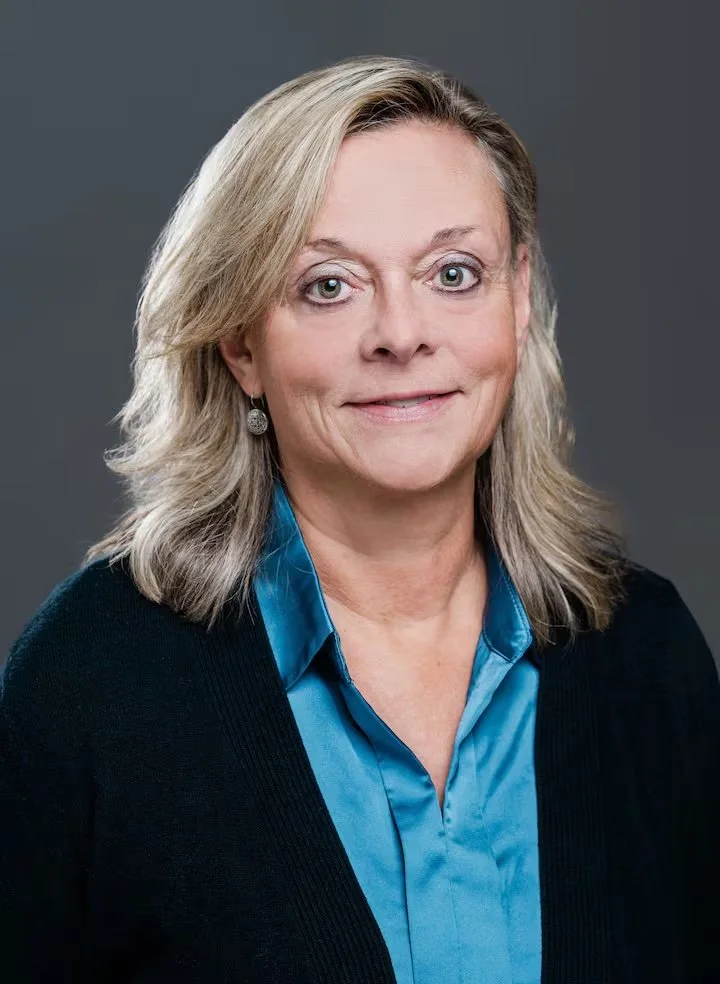
Sherri Boyd is executive director of The Arc Michigan, a statewide advocacy organization supporting people with intellectual and developmental disabilities and their families.